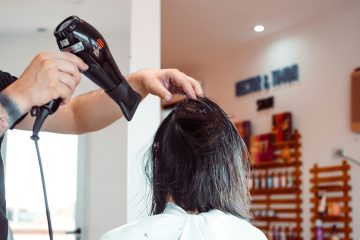
How to Use a Hair Dryer?
Have you ever wondered why some people’s hair looks smoother, shinier, and more styled after drying, while others struggle with frizz, damage, or uneven results?
Using a hair dryer might seem straightforward, but there’s a surprising amount of science and skill behind drying hair effectively without causing harm.
TL;DR: Proper hair drying involves starting with towel-dried hair, maintaining distance between the dryer and your hair, using the right heat and speed settings, moving the airflow constantly, and finishing with a cool shot. Use protectants, consider attachments like diffusers, and follow safety precautions to avoid burns or appliance hazards.
Understanding the Purpose of a Hair Dryer
A hair dryer, often called a blow dryer, is a handheld electric device designed to speed up the evaporation of water from wet hair by blowing hot or warm air over it.
While its primary purpose is to accelerate drying after washing, it also plays a significant role in styling, shaping, and adding volume to hair.
People often use variations in heat and airflow to achieve different looks, from sleek, straight styles to voluminous waves.
Preparing Your Hair Before Drying
Before you even reach for the hair dryer, preparation sets the foundation for a good drying session.
Patting damp hair gently with a towel to remove excess moisture reduces the time your hair is exposed to heat.
Applying a heat protectant spray or serum coats each strand with a thin protective layer, shielding it from direct heat damage.
Skipping this step is one of the most common missteps and often cited in hair care advice about preventing dryness and breakage.
Detangling hair while it’s damp, using a wide-toothed comb or appropriate brush, also minimises pulling and breakage when the dryer is applied.
Doing this before the heat comes into play means less effort and gentler styling overall.
Choosing and Adjusting Heat Settings
Hair dryers typically offer several heat and speed settings that let you tailor the experience to your hair’s needs.
Fine, thin, or already damaged hair fares best with low to medium heat to avoid excessive drying and brittleness.
Thicker, coarse hair may require higher heat to dry effectively, but gradual progression from low to higher settings is often recommended rather than blasting high heat immediately.
This graded approach helps prevent overheating specific areas and reduces the risk of damage.
Holding and Moving the Dryer Correctly
Many people unknowingly hold the hair dryer too close to their hair or keep it in one spot for too long, resulting in localized overheating and potential scalp burns.
Experts recommend maintaining a reasonable distance—often at least several inches—between the dryer nozzle and your hair, and continually moving the dryer so that heat is distributed evenly.
This motion helps avoid “hot spots” and ensures all sections dry at roughly the same pace.
Aim the airflow downward along the hair shaft, in the direction of natural growth. This technique helps smooth the cuticle and reduces frizz, resulting in hair that looks sleeker and more polished.
Using Attachments for Style and Hair Type
Hair dryer attachments exist for a reason. A concentrator nozzle focuses heat and airflow on specific sections, letting you achieve straighter, smoother styles.
A diffuser, on the other hand, spreads the airflow more gently over wider areas, making it ideal for curly or wavy hair where too much direct heat could cause frizz or disrupt natural patterning.
A diffuser can also add volume and minimise frizz when used properly.
Depending on what you’re trying to achieve—from sleek straight looks to voluminous waves—choosing and using attachments correctly makes a meaningful difference in the result.
Learn More: How Do You Use a Diffuser on a Hair Dryer?
Incorporating Cool Air and Finishing Touches
Most hair dryers feature a cool shot button that delivers bursts of unheated air. Using this at the end of your drying session helps to seal the hair cuticle and lock in your style.
Not only does cool air help reduce frizz, but it also adds shine and can give your hairstyle longer staying power.
It’s a simple step that many seasoned stylists swear by, especially when finishing a blowout.
Common Mistakes to Avoid and How They Affect Hair
There are recurring themes in questions people ask about hair dryer use that reflect widespread misconceptions.
For instance, applying high heat immediately on soaking hair is not advisable; it can lead to dryness, brittleness, and split ends.
Using the dryer too close to the scalp or focusing heat on one area also increases the risk of hair damage.
Heat protectants exist for a reason: they create a protective barrier that mitigates heat’s impact on hair fibers.
Another frequent slip-up is neglecting to use the right technique for different hair textures.
Curly hair benefits from diffusers to preserve natural pattern and reduce frizz, while straight hair might benefit from attachments that control and direct airflow for smoother results.
Conclusion
Using a hair dryer effectively is more than pointing and waving.
It involves thoughtful preparation, understanding your hair type, choosing appropriate settings, and employing proper technique throughout the drying process.
By integrating heat protection, correct motion, and smart use of attachments, you protect your hair from damage and enhance both health and style.