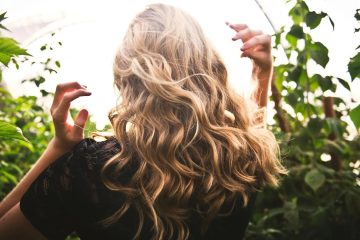
How to Curl Wavy Hair
Wavy hair sits in that fascinating middle ground—it’s not straight, yet not fully curly.
That makes it incredibly versatile, but also a little unpredictable when it comes to styling.
So, how do you actually curl wavy hair in a way that looks effortless and lasts all day?
TL;DR: The key to curling wavy hair is enhancing its natural pattern rather than forcing a new one. Use proper prep, controlled moisture, sectioning, and gentle styling methods (heat or heatless). Focus on definition, not transformation, and your curls will last longer with less damage.
What Makes Wavy Hair So Hard to Curl?
Before diving into techniques, it helps to understand why wavy hair behaves the way it does.
Wavy hair (often classified as type 2A–2C) forms an S-shaped pattern that can easily stretch out or lose definition depending on moisture, weight, and styling habits .
Unlike tighter curls, waves are more sensitive to external factors. Heavy products can weigh them down, while dryness leads to frizz and lack of structure.
Even simple actions like brushing dry hair can disrupt the pattern, causing it to appear straighter than it actually is .
How Do You Prep Wavy Hair for Curling Success?
Preparation is where most curl transformations begin. Without the right base, even the best styling techniques will fall short.
Why Moisture Is the Foundation of Defined Curls
Hydration directly impacts elasticity, which determines how well hair can hold a curl. Dry strands become brittle and resist shaping, while moisturized hair forms smoother, more cohesive curls.
Should You Start with Wet or Dry Hair?
For wavy hair, slightly damp or wet hair is ideal. Applying styling products at this stage allows them to lock in the natural pattern before it dries. This also reduces frizz and improves curl formation.
What Is the Best Way to Curl Naturally Wavy Hair?
There isn’t just one method. The best approach depends on how defined you want your curls to be.
Scrunching for Soft, Natural Definition
If your goal is effortless waves, scrunching is often enough. After applying product, gently press sections of hair upward toward the scalp and let it air dry.
This technique enhances your natural pattern without forcing a new shape, making it ideal for everyday styling.
Finger Coiling for More Structured Curls
For more defined curls, finger coiling works especially well. This involves twisting small sections of damp hair around your finger to form individual curls.
This method allows you to control the size and direction of each curl, making it one of the most customizable techniques available.
Braiding for Loose, Uniform Waves
Braiding damp hair and leaving it overnight creates a relaxed, beachy texture. Looser braids result in softer waves, while tighter braids create more defined curls.
According to stylists, braiding also helps maintain symmetry, ensuring both sides of the hair look balanced.
How to Adapt Curling Techniques for Different Wavy Hair Types
Not all wavy hair behaves the same.
Fine Wavy Hair
Fine hair benefits from lighter products and smaller sections to prevent curls from falling flat.
Learn More: How to Curl Fine Hair?
Thick or Coarse Wavy Hair
Thicker hair can handle stronger hold products and more structured methods, like rollers or tighter wraps.
Mixed Texture Hair
If your hair varies across your head, adjust your technique by customizing tension and section size.
Should You Use Heat or Air Dry for Better Curls?
This is one of the most common questions: Is air drying or diffusing better for wavy hair?
Air Drying vs Diffusing
Air drying is gentler but can cause waves to stretch out under their own weight. Diffusing, on the other hand, helps maintain shape by reducing downward pull during drying.
Used correctly, a hair dryer with a diffuser attachment can enhance volume and lock in curl structure without excessive heat exposure.
The Role of Low Heat and Minimal Disturbance
The key is not just how you dry, but how much you touch your hair. Constant movement during drying can break up curl clumps and lead to frizz.
What Common Mistakes Prevent Wavy Hair from Curling?
Even small habits can undo all your effort.
Why Brushing Dry Hair Is a Problem
Brushing breaks apart curl clumps and disrupts the natural pattern, leading to frizz and loss of definition. Detangling is best done when hair is wet and conditioned.
Why Too Much Heat Can Backfire
Frequent heat styling can weaken the hair structure, making it harder for waves to hold a curl over time. Healthier hair naturally forms stronger, longer-lasting curls.
How Do You Keep Curls From Falling Flat?
Creating curls is one thing—keeping them is another.
Balance Moisture and Hold
Wavy hair thrives on a balance between hydration and structure. Without hold, curls drop quickly; without moisture, they become stiff and frizzy.
Trim Damaged Ends Regularly
If your ends are straighter than your roots, it may be due to damage. Removing those ends can restore bounce and elasticity, helping curls form more consistently.
Protect Your Hair Overnight
Another common question is: How do you maintain curls overnight? Friction is the enemy. Using smooth fabrics and minimizing movement helps preserve curl patterns while you sleep.
Final Thoughts
Curling wavy hair becomes much easier once you focus on enhancing your natural texture instead of changing it c.
By preparing your hair properly, choosing the right technique, and adjusting based on your hair type, you can create curls that look more defined, natural, and long-lasting.
If your curls don’t turn out perfectly at first, that’s normal—wavy hair often needs a bit of experimentation.
With the right balance of moisture, technique, and styling control, you’ll gradually find what works best for your hair and achieve consistent results every time.